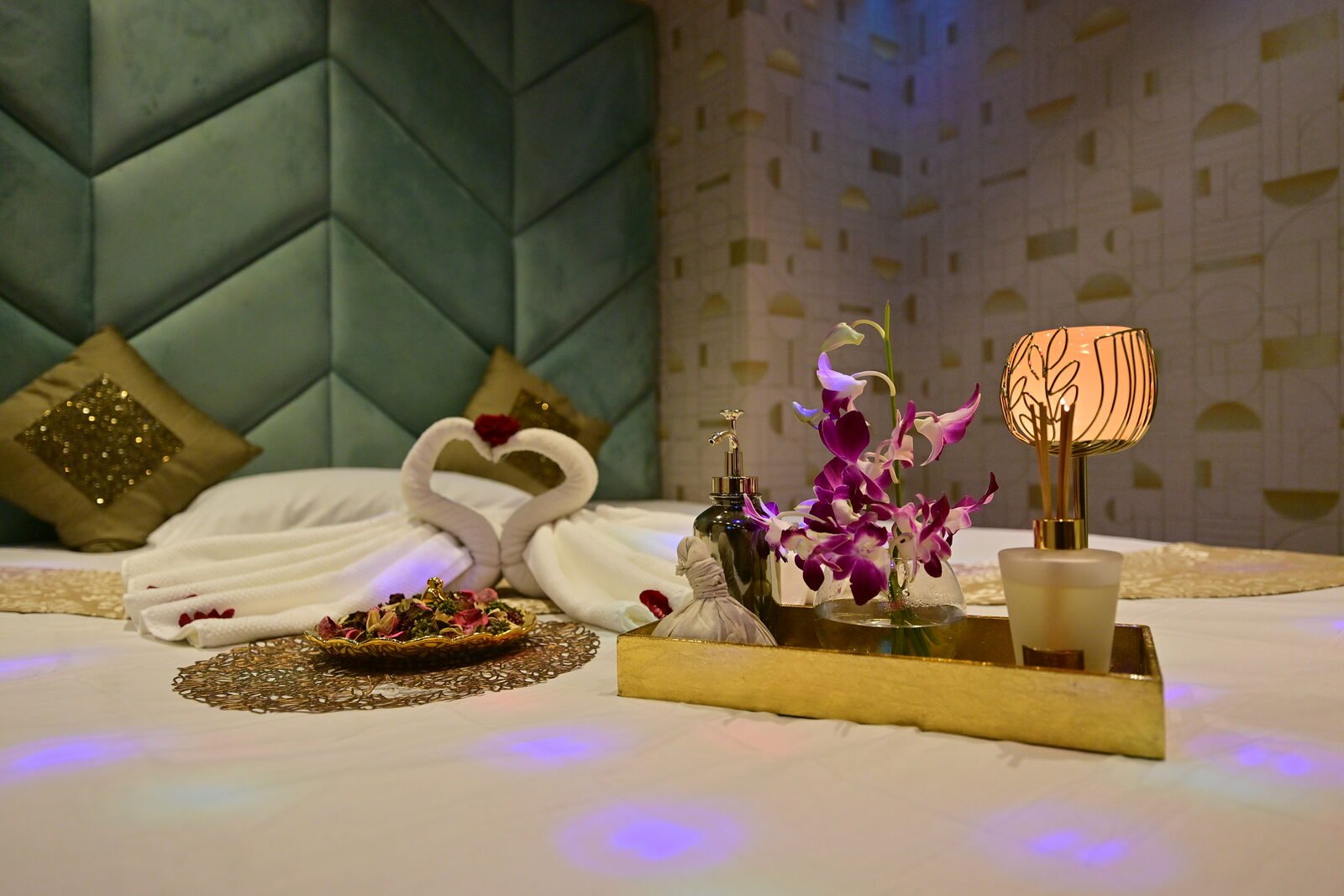
Thai Massage vs Swedish Massage: What's the Difference?
Compare Traditional Thai Massage and Swedish Massage based on their general approach, movement style, oil use and the type of experience you may prefer before choosing a service.
What Is the Main Difference Between Thai Massage and Swedish Massage?
Traditional Thai Massage is generally associated with Thai-inspired bodywork, assisted movements and a more movement-oriented massage experience. Swedish Massage is generally associated with smooth, flowing massage movements and a gentler, relaxation-focused approach.
Customers who prefer traditional Thai-inspired techniques may explore Traditional Thai Massage, while customers who prefer a smoother relaxation-oriented massage style may explore Swedish Massage.
Quick Comparison
| Factor | Traditional Thai Massage | Swedish Massage |
|---|---|---|
| General Approach | Thai-inspired bodywork | Relaxation-focused massage |
| Movement Style | Assisted movements and traditional techniques | Smooth, flowing massage movements |
| Oil Use | Not central to the general concept | Oil or lotion is commonly associated |
| General Experience | More movement-oriented | Calmer and relaxation-oriented |
| Main Selection Intent | Traditional Thai-inspired experience | Classic relaxation-focused massage |
| Available at Aura Thai Spa | Yes | Yes |
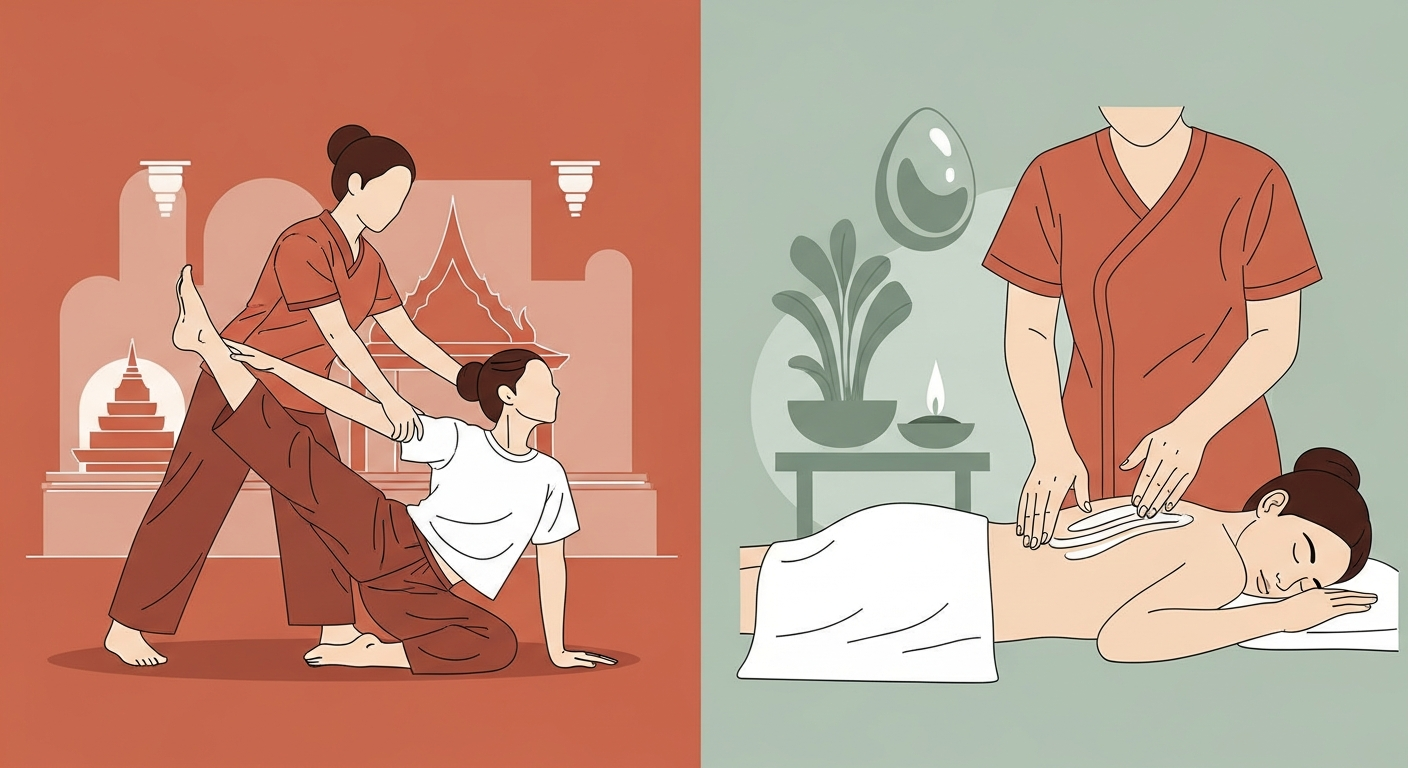
What Is Traditional Thai Massage?
Traditional Thai Massage is a Thai-inspired bodywork experience built around assisted movements rather than oils or lotions. In general practice, it uses rhythmic pressure applied along the body, combined with guided stretches, making it a distinctly movement-oriented service concept compared to many other massage styles.
Because oil is not central to the general service concept, guests typically remain in comfortable clothing provided by the spa rather than having oil applied directly to the skin. This is one of the clearest structural differences between Traditional Thai Massage and oil-based massage styles like Swedish Massage.
Selecting Traditional Thai Massage is generally a preference-based decision — guests who are drawn to Thai-inspired techniques, assisted stretching and a more active bodywork experience tend to explore this service first, while guests looking for a purely passive, oil-based relaxation format often compare it against Swedish Massage before deciding.
What Is Swedish Massage?
Swedish Massage is generally associated with smooth, flowing massage movements delivered in a relaxation-oriented approach. The technique typically uses long strokes, kneading and gentle circular movements, and is commonly associated with the use of massage oil or lotion to reduce friction against the skin.
This gentler massage preference makes Swedish Massage a popular starting point for guests who are newer to spa experiences or who are primarily seeking calm, soothing relaxation rather than a more physically active session.
The key difference from the movement-oriented Traditional Thai Massage is the overall format: Swedish Massage is a passive, oil-based relaxation experience, while Traditional Thai Massage centers on assisted movement and rhythmic pressure without oil. Guests weighing both services should think about which format — passive and oil-based, or active and movement-oriented — better matches their preferences.
Movement-Oriented Bodywork vs Flowing Massage Movements
The core conceptual difference between these two services lies in how the body is engaged during the session. Traditional Thai Massage takes a movement-oriented approach, generally incorporating assisted stretches and rhythmic pressure that engage the guest more actively throughout the experience. Swedish Massage, by contrast, is built around flowing massage movements applied by the therapist while the guest remains passive and relaxed.
Neither approach is inherently better than the other — they represent different service concepts designed for different preferences. Guests who enjoy an active, stretch-based experience tend to gravitate toward Traditional Thai Massage, while guests who prefer to simply relax while the therapist works tend to prefer Swedish Massage.
Does Thai Massage or Swedish Massage Use Oil?
Traditional Thai Massage generally does not center on oil as part of its service concept, while Swedish Massage is commonly associated with the use of oil or lotion to help the therapist's hands move smoothly across the skin. This is one of the more practical differences between the two experiences and can influence which service a guest chooses.
Exact operational service details — including whether oil is used in a specific session and which products are applied — should always be confirmed directly with Aura Thai Spa rather than assumed from this comparison.
Pressure & Movement Preferences
Pressure preference is subjective and varies from guest to guest. Traditional Thai Massage is differentiated primarily by its bodywork and movement concept rather than by a fixed pressure level, while Swedish Massage is differentiated by its flowing massage movements and relaxation-focused positioning.
Neither service should be assumed to guarantee one exact pressure level. Guests are encouraged to communicate their comfort preferences directly with Aura Thai Spa before or during their appointment.
Which Massage May Match Your Preferences?
Explore Traditional Thai Massage If:
- You are interested in Thai-inspired massage techniques.
- You prefer a more movement-oriented experience.
- You want to explore assisted movements as part of the general massage concept.
- You are specifically searching for Traditional Thai Massage.
Explore Swedish Massage If:
- You prefer smooth, flowing massage movements.
- You are exploring a relaxation-focused massage style.
- You prefer an oil/lotion-based massage format.
- You are specifically comparing gentler massage experiences.
Still deciding? Call or WhatsApp us for a recommendation.
Open Daily Until 11:00 PM · Kammanahalli, Bengaluru
Thai Massage vs Swedish Massage for Full Body Massage Search Intent
Guests searching broadly for a full body massage may compare both Traditional Thai Massage and Swedish Massage, but the two experiences differ substantially in approach and oil use. Explore the full range of full-body massage experiences at Aura Thai Spa to see how these services fit alongside other options.
Explore Full Body Massage ExperiencesOther Massage Services to Compare
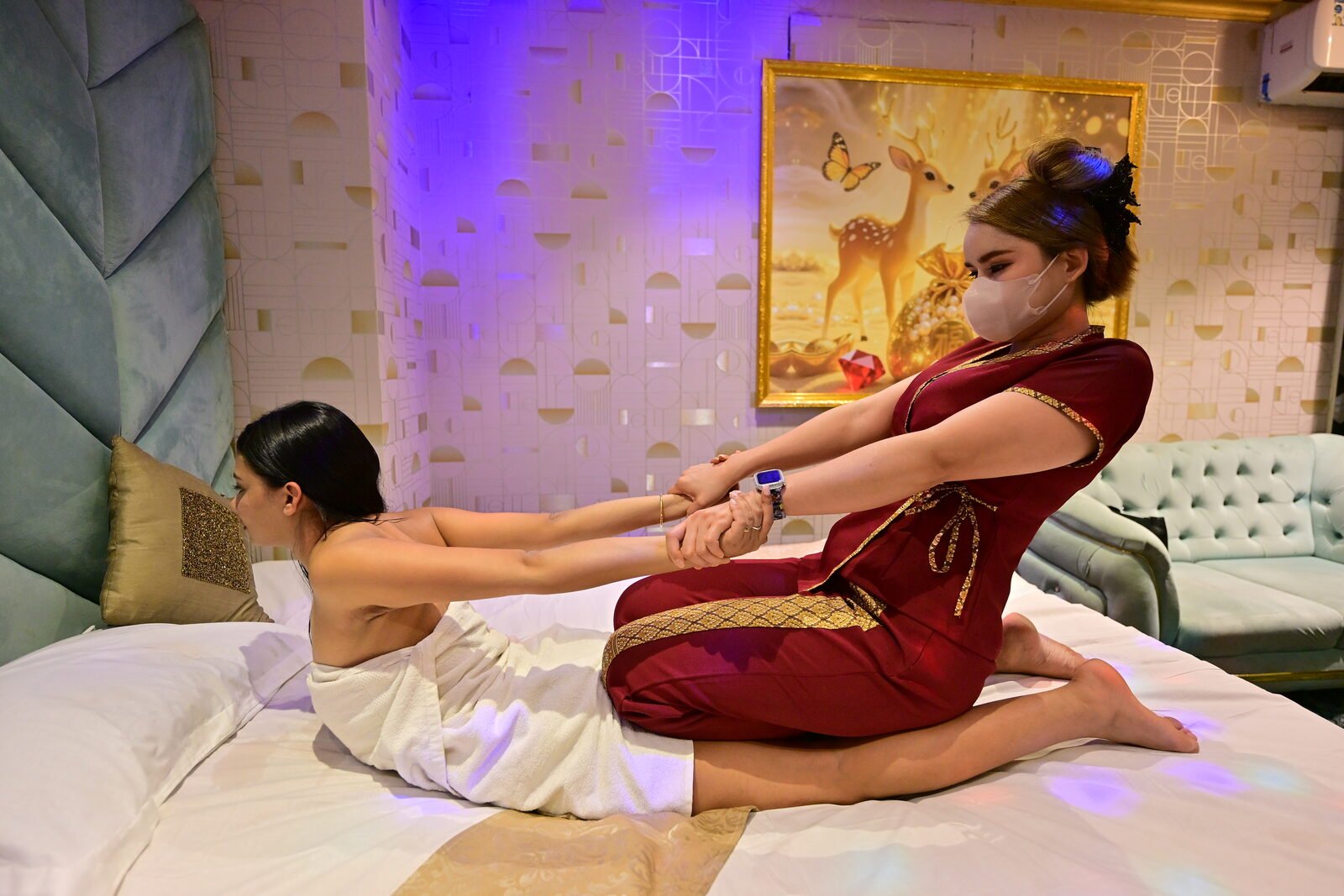
Thai Oil Massage
For users interested in Thai-inspired massage with oil.
● Thai technique meets oil
Book on WhatsApp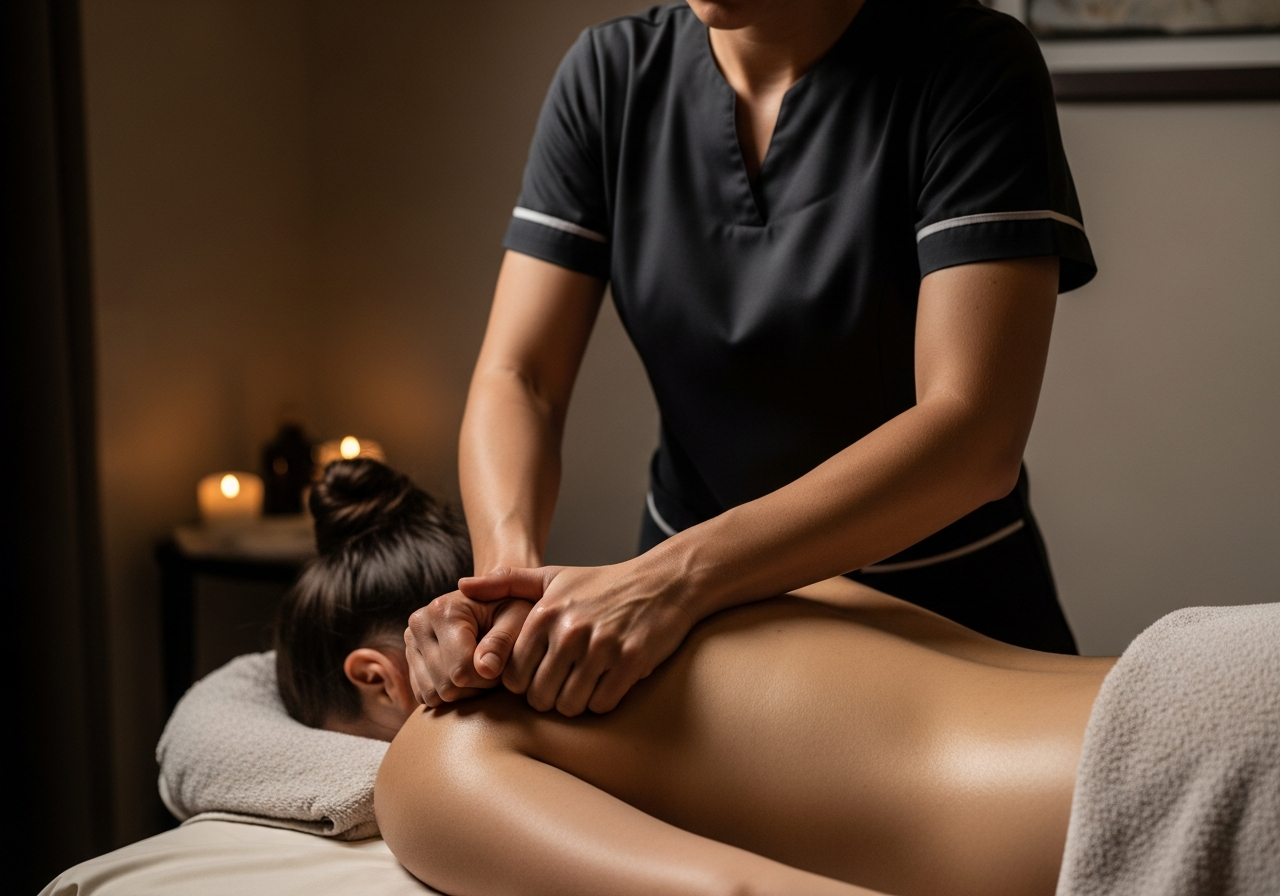
Deep Tissue Massage
For users comparing Swedish Massage with firmer-pressure massage.
● Popular for muscle relief
Book on WhatsApp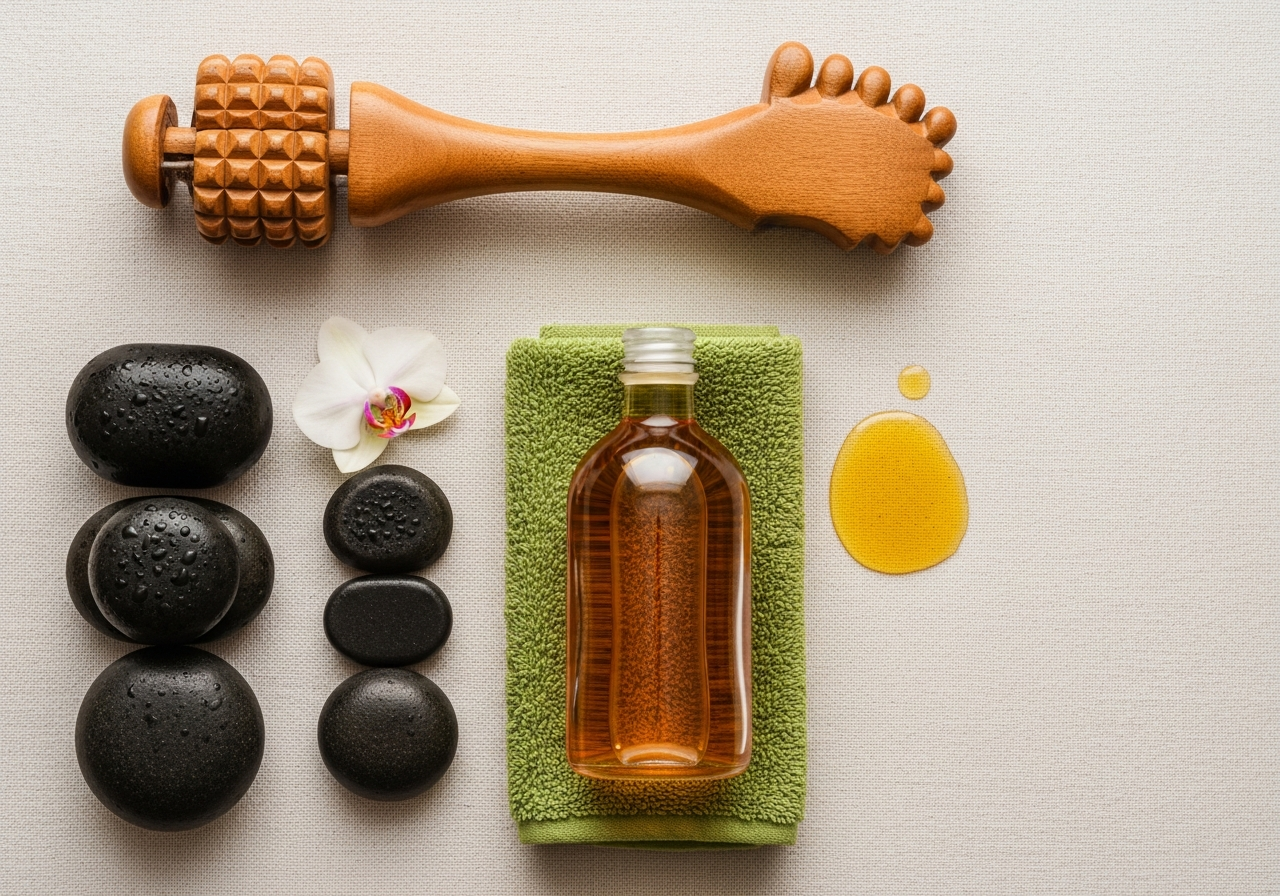
Aromatherapy Massage
For users interested in aromatic oils.
● Calming & aromatic ritual
Book on WhatsApp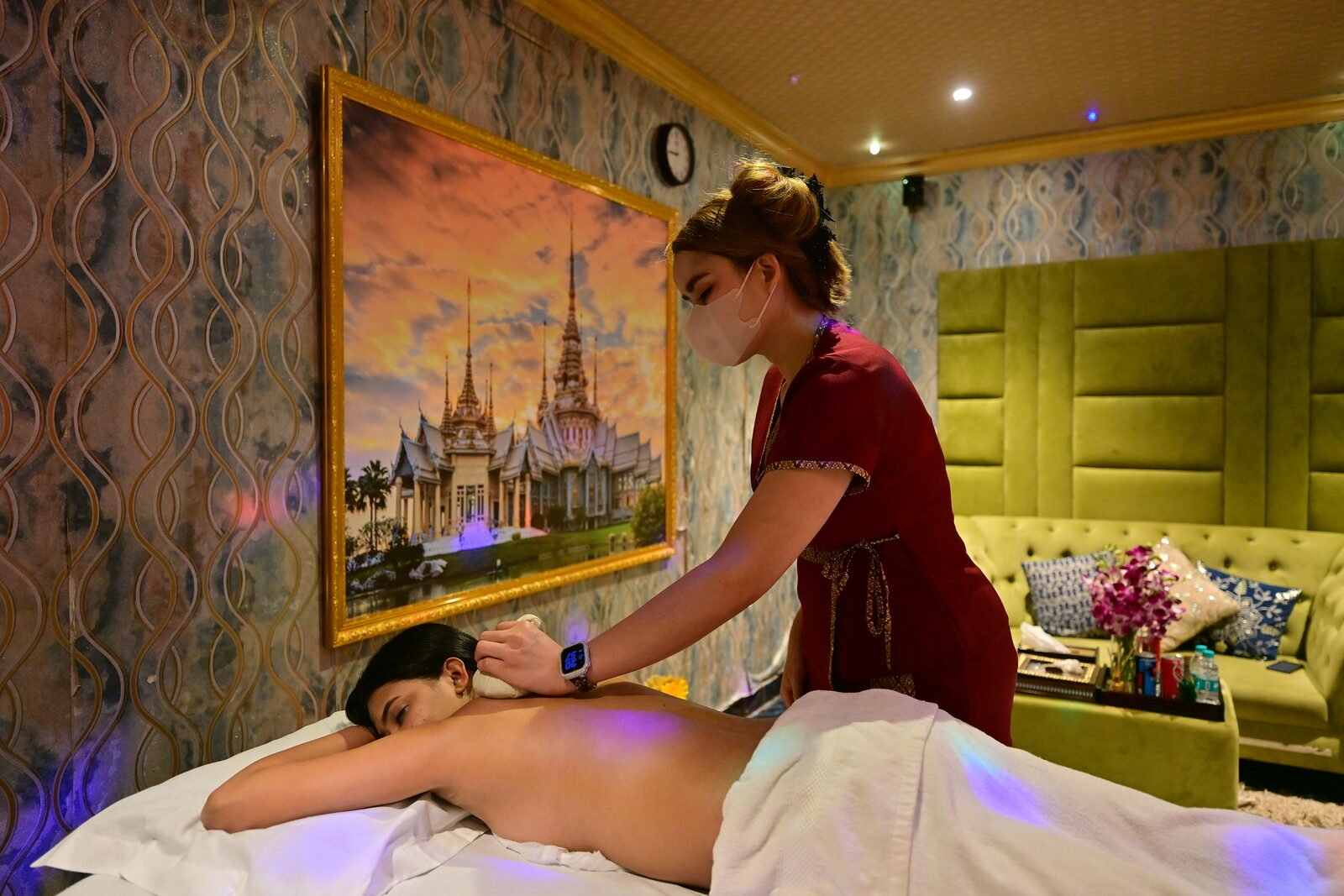
Balinese Massage
For users exploring another international massage tradition.
● Balinese-inspired ritual
Book on WhatsApp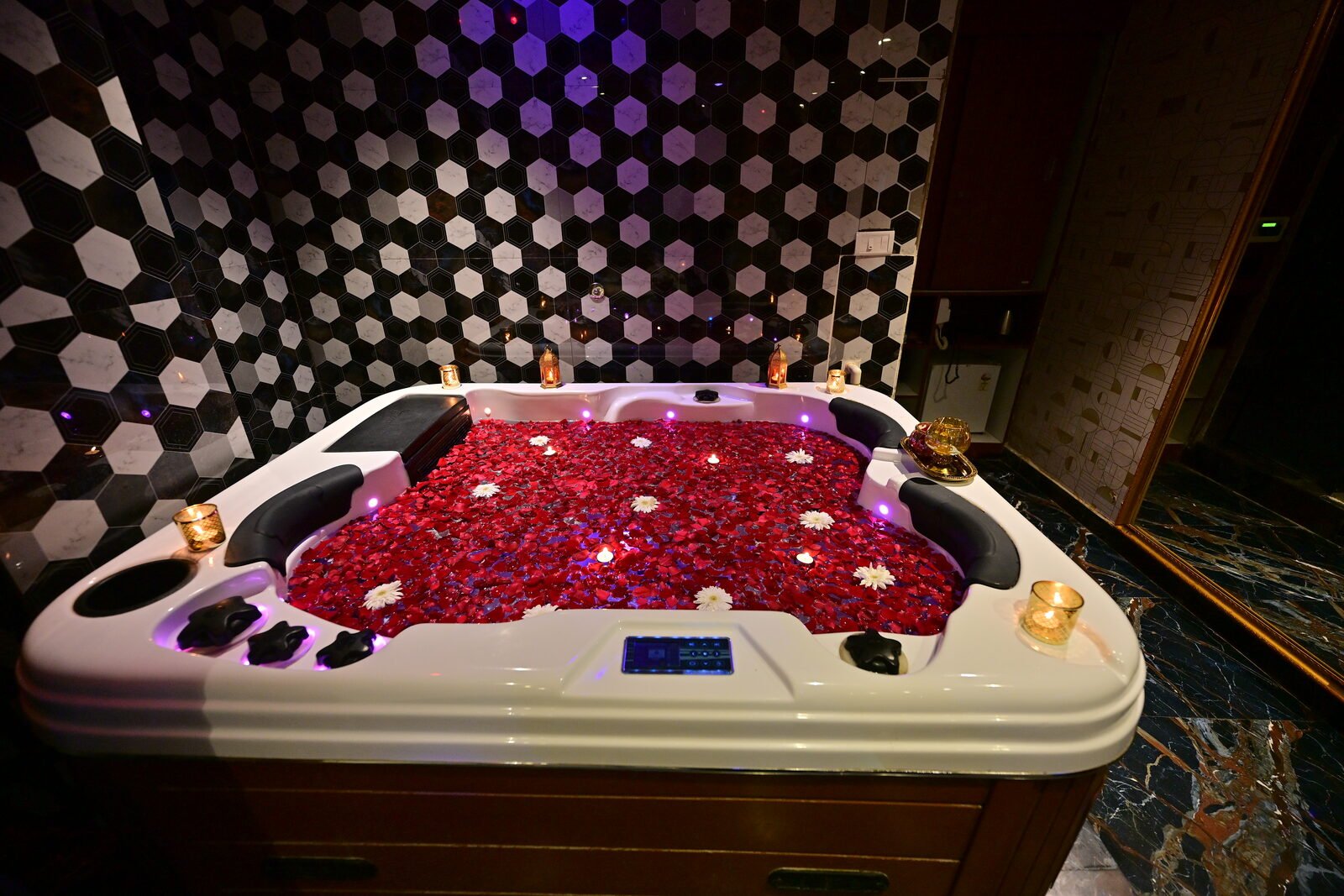
Aura Signature Massage
For users exploring Aura Thai Spa's flagship service.
● Aura's flagship experience
Book on WhatsAppExplore Thai & Swedish Massage in Kammanahalli
Traditional Thai Massage and Swedish Massage are both included in the 12-service portfolio available at Aura Thai Spa's physical Kammanahalli location.
Customers can explore both service pages and contact Aura Thai Spa to check current availability.
 Thai Massage Room
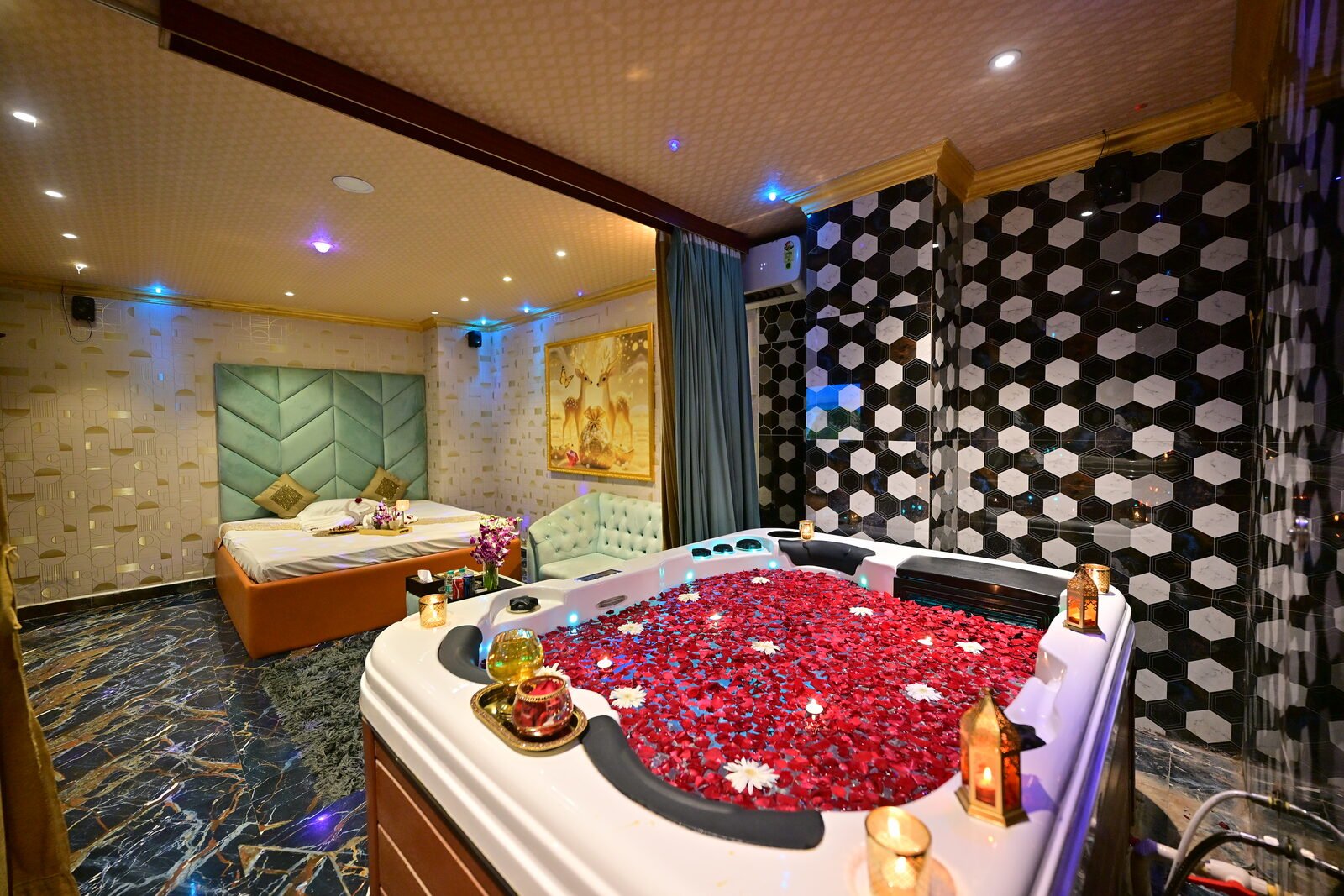 Private Jacuzzi Suite
 Premium Lounge Spaces
Thai Massage vs Swedish Massage FAQs
What is the main difference between Thai Massage and Swedish Massage?
Is Thai Massage more movement-oriented than Swedish Massage?
Is Swedish Massage relaxation-focused?
Is oil used in Traditional Thai Massage?
Is oil commonly associated with Swedish Massage?
Which massage should I choose if I prefer Thai-inspired techniques?
Which massage should I explore if I prefer flowing massage movements?
Are both services available at Aura Thai Spa?
Where is Aura Thai Spa located?
Is Aura Thai Spa near Kalyan Nagar?
How can I check current availability?
How can I request an appointment?
Thai Massage or Swedish Massage?
Explore both services, compare the general experience and contact Aura Thai Spa if you would like help choosing based on your preferences.